
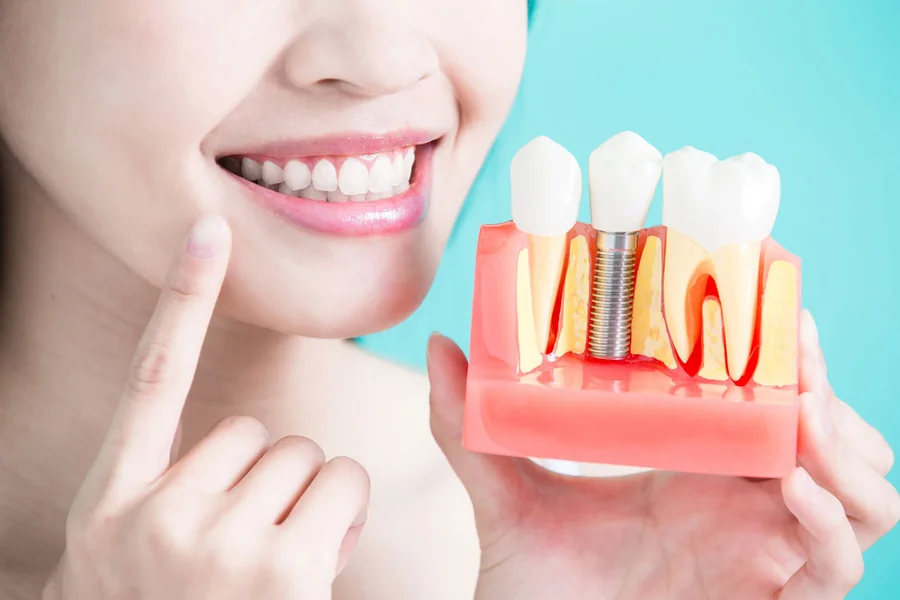
Healthy gums protect your implants. They also protect your heart, blood vessels, and control your blood sugar. When gums break down, pain and infection follow. So does the risk of losing costly work like crowns and implants. If you have dental implants Westchester County NY, you already invested time, money, and courage. You deserve to keep that smile strong for decades. Long term care is not fancy. It is steady, simple, and strict. You brush, you clean between teeth, you watch for small warning signs, and you see your dentist on a regular schedule. You also protect your mouth from smoking, dry mouth, and grinding. Each choice either calms your gums or stresses them. This guide shares six clear tips you can start today. Each one helps prevent infection, bone loss, and loose implants. You can protect your health and your smile with steady daily steps.
1. Brush with care two times each day
Your gums and implants need steady cleaning. You remove sticky plaque before it hardens and attacks bone and tissue. You also cut down the germs that move from your mouth into your blood.
- Brush two times each day for two minutes
- Use a soft brush and gentle pressure
- Angle the bristles toward the gumline
Electric brushes often clean better than manual brushes. They keep a steady motion and help you reach tricky spots.
Use a low foam paste with fluoride. Strong whitening pastes can scratch implant parts and irritate tissue. Talk with your dentist before you use any gritty paste or powder.
2. Clean between teeth and implants every day
Food and plaque hide between teeth and around implant posts. A brush cannot reach these tight spots. Daily cleaning between teeth protects the small ring of tissue that seals each implant.
- Use floss or small brushes made for implants once each day
- Slide gently under the gumline and around the implant
- Focus on places that trap food, such as back teeth
If your hands hurt or you have braces or a bridge, ask about water flossers. These tools spray water along the gumline and around implant parts. Many people find them easy to use and less stressful on the gums.
Cleaning options for gums and implants
| Method | Best use | Key benefit |
|---|---|---|
| String floss | Spaces between natural teeth | Cheap and easy to carry |
| Implant floss or tape | Around implants and bridges | Soft on tissue and implant parts |
| Interdental brush | Wider gaps and under bars | Scrubs plaque from sides of implants |
| Water flosser | People with limited hand use | Easy to use and reaches deep pockets |
3. Keep regular cleanings and checkups
Implants can look fine while silent damage grows under the gums. Regular visits let your dentist catch swelling, bone loss, or loose parts early. Quick treatment often saves the implant.
- Schedule cleanings at least every 6 months
- Ask if you need visits every 3 to 4 months after implant work
- Share any pain, bleeding, or bad taste right away
During these visits, the team checks the bite, cleans around the implant, and reviews home care. They may take X-rays to check bone levels. Early care costs less than repair or replacement.
The National Institute of Dental and Craniofacial Research explains gum disease and its signs at this NIDCR gum disease page. Use this to learn what to watch for between visits.
4. Watch for early warning signs
Small changes can signal infection around an implant. Do not wait for severe pain. Call your dentist if you notice:
- Red or swollen gums around an implant
- Bleeding when you brush or clean between teeth
- A bad taste or smell that does not clear with brushing
- Implant or crown that feels loose or strange
- Gums that pull away and show metal or rough edges
Quick care can stop a minor gum infection from reaching the bone. Once the bone is gone, your implant faces risk. Trust your own senses. You know when your mouth feels different.
5. Protect gums from smoking, dry mouth, and grinding
Some daily habits strain gums and implants. You can lower that strain with small changes.
- Smoking and vaping. These slow the blood flow to the gums. They raise the risk of infection and implant loss. Ask your doctor for quit support and use stop smoking resources.
- Dry mouth. Many medicines, health conditions, and aging reduce saliva. Sip water often. Use sugar-free lozenges. Ask about saliva support products if your mouth feels dry.
- Grinding and clenching. These press hard on implants and teeth. You may not notice this at night. A custom night guard can spread the force and protect bone and tissue.
Three shifts help most people. Stop tobacco, control grinding, and drink more water. Each step gives your gums a calmer setting to heal and stay strong.
6. Match your care to your health and age
Your general health shapes how your gums heal and how long implants last. Some conditions raise the risk of gum infection.
- Diabetes that is not under control
- Heart disease
- Immune system problems
- Pregnancy or major hormone shifts
Tell your dentist about all medicines and diagnoses. Ask how these may affect your mouth. You may need more frequent cleanings or special tools. Children and teens with a parent who has implants can also learn strong habits early. Shared routines help the whole family.
Daily and yearly steps for implant care
| Time frame | Key action | Goal |
|---|---|---|
| Every day | Brush two times. Clean between teeth once. | Remove plaque and calm gums |
| Every night | Wear a night guard if prescribed. | Limit grinding force |
| Every 3 to 6 months | Professional cleaning and exam. | Catch early changes |
| Every year | Review medicines and health history. | Adjust care plan |
Take steady steps for long-term success
Strong gums do not come from one big change. They come from small, steady steps. You clean your mouth, keep checkups, and protect against strain. You watch for early warning signs and speak up fast.
Your implants can serve you for many years. With clear daily care, regular support from your dental team, and smart choices about tobacco, grinding, and dry mouth, you give those implants and your gums the best chance to stay strong.