
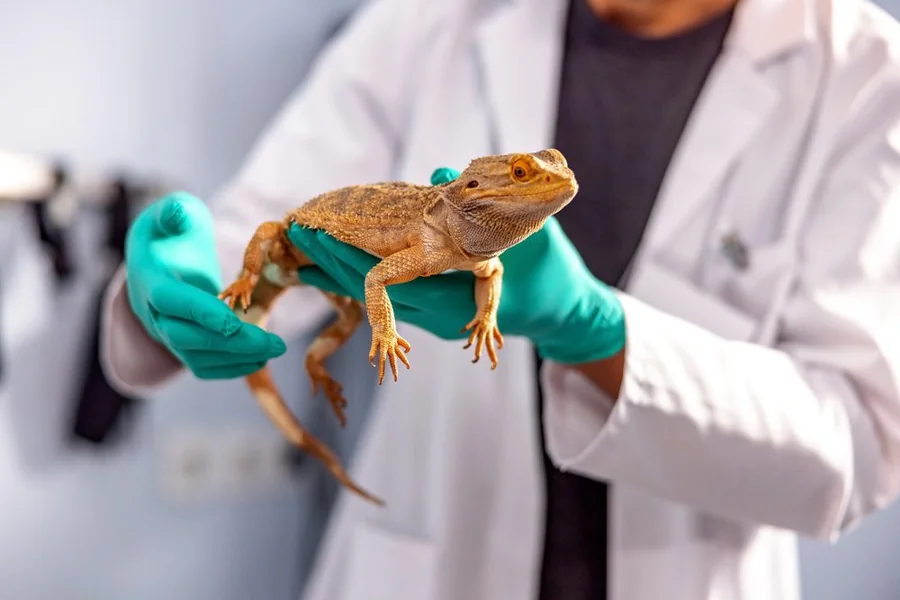
Exotic pets need specific care that many clinics do not offer. Snakes, parrots, lizards, ferrets, and rabbits all have different needs. You may feel worried when your pet stops eating, changes color, or hides. You also may feel unsure about where to turn. An animal hospital in Alexandria, VA understands these unique needs and gives focused support. Here, you learn how trained teams handle exams, surgery, nutrition, and safe handling for exotic species. You see how they read small signs of pain and stress. You also see how they use simple tools to keep your pet calm. This guide explains what happens from the moment you walk in, through diagnosis, treatment, and follow-up. It helps you ask clear questions and recognize red flags early. Your exotic pet depends on you. You deserve clear help that respects that weight.
What Counts As An Exotic Pet
Exotic pets are any animals that are not dogs or cats. Many families keep them. Many clinics still lack training for them.
Common exotic pets include:
- Small mammals such as rabbits, guinea pigs, rats, and ferrets
- Birds such as parrots, finches, and canaries
- Reptiles such as snakes, turtles, and lizards
- Amphibians such as frogs and salamanders
Each group needs different housing, food, and light. Each group also hides sickness in different ways. That is why a hospital visit looks different for each type.
First Visit And Intake
Your visit often starts before you enter the building. Staff may ask you to bring photos of the cage, heat source, and food. They may ask you to bring fresh stool in a clean bag or cup.
At intake, the team will:
- Confirm species and age
- Ask about diet, cage, light, and temperature
- Ask about behavior changes and recent stress
- Review past health history
These questions matter more for exotics than for dogs or cats. A small mistake with heat or diet can harm a reptile or bird. Staff use your answers to guide tests and treatment.
Handling And Stress Control
Exotic pets scare easily. Stress can cause shock or slow recovery. Care teams learn special ways to hold and move each species.
Common methods include:
- Soft towels to wrap birds or small mammals
- Clear boxes for small reptiles so they feel hidden
- Dim lights and quiet rooms
- Short handling times with rest periods
For some animals, the team may ask you to stay in the room. Your calm voice can help your pet feel safe.
Physical Exams For Different Species
Each animal type needs a focused exam. Staff look for small clues you may miss.
| Pet type | Key exam focus | Common problems seen
|
|---|---|---|
| Birds | Weight, feathers, beak, breathing sounds | Respiratory disease, feather loss, nutrition gaps |
| Rabbits | Teeth, gut sounds, feet, posture | Overgrown teeth, gut slowdown, sore hocks |
| Ferrets | Heart, abdomen, skin, scent glands | Hormone disease, tumors, infections |
| Reptiles | Shell or skin, eyes, joints, muscle tone | Bone disease, shedding issues, infections |
| Small rodents | Teeth, breathing, fur, weight | Respiratory disease, tumors, dental pain |
You see, the focus is not only on one organ. The team looks at the whole picture of housing, diet, and body condition.
Tests And Imaging
Exotic pets often need the same tests as other animals. The challenge is sample size and safe restraint.
Common tests include:
- Blood work in tiny amounts
- Stool checks for parasites
- X-rays to check bones, lungs, and eggs
- Ultrasound for soft organs
Staff use small needles and special holders. They may warm the room for reptiles before tests. That helps keep the heart rate and breathing steady.
You can read more about common tests and safe handling of exotic pets from the U.S. Department of Agriculture small companion animals collection.
Treatment And Surgery
Treatment plans depend on species and cause. Many plans include three parts. Fix the cause. Treat pain. Support the body while it heals.
Care may include:
- Fluids by mouth or under the skin
- Antibiotics or antifungal drugs
- Pain control with species safe drugs
- Tube feeding when the pet will not eat
Surgery on exotic pets needs special skill. Small size raises risk. Many hospitals use gas anesthesia with careful warmers and heart monitors. Recovery rooms stay quiet and dark.
Nutrition, Housing, and Daily Care
Many exotic health problems come from poor diet or housing. A hospital that sees exotics often spends time on these basics.
Staff may guide you on:
- Correct diet for the exact species
- Safe treats and unsafe foods
- Proper cage size and bedding
- Right light, heat, and humidity
- Enrichment such as toys and chew items
The wrong pellet or seed mix can harm birds and rabbits. The wrong light can harm reptiles. You can check housing and care tips from the U.S. Food and Drug Administration small animal care guidance.
Prevention And Routine Checkups
Exotic pets hide sickness until late. Routine care can catch problems early. Many hospitals suggest at least one exam each year. Young, old, or sick pets may need more visits.
At these visits, the team may:
- Record weight trends
- Trim nails or beaks
- Adjust diet and housing plans
- Check for parasites
You also gain a chance to ask about behavior changes. That shared plan can prevent many crises.
How To Choose An Exotic Pet Hospital
Not every clinic has the right training. You can ask clear questions before you book.
- How often do you see my species
- Do you have special equipment for small animals
- Do you offer emergency care for exotics
- What training do your staff have with handling my pet type
You can also look for separate waiting rooms for prey species such as rabbits or birds. That reduces fear from nearby dogs.
Taking The Next Step
Caring for an exotic pet can feel heavy. You carry the weight of choices on heat, food, and touch. A skilled animal hospital lifts some of that weight. It offers clear steps, not guesswork. It also treats your concern with respect.
With the right team, you can act early, ask direct questions, and protect your pet from silent decline. Your pet may not speak. Your actions still speak loudly for it.