
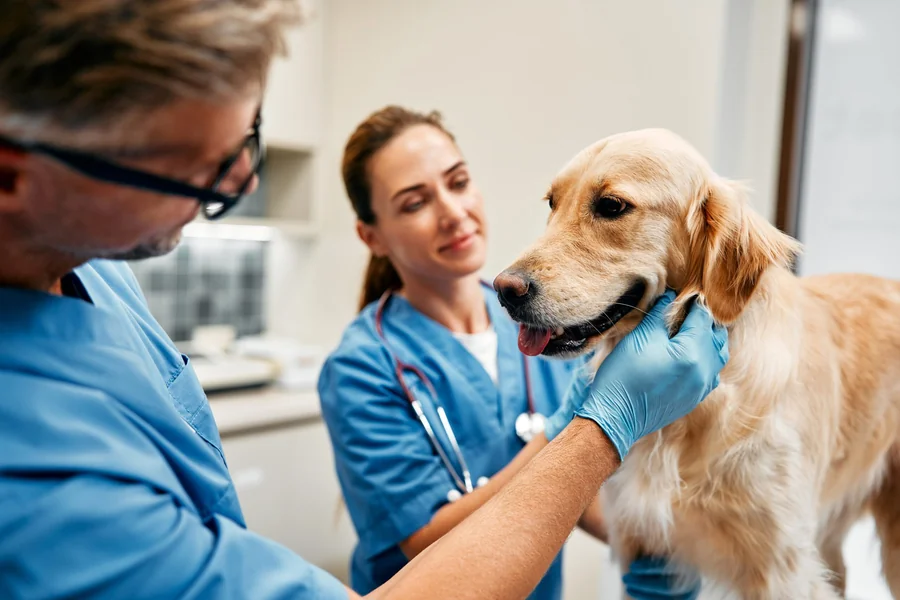
When you take your pet to an East San Jose veterinarian, you trust them to handle both major and minor issues with skill. These professionals manage everything from routine check-ups to unexpected health problems. First, they provide preventive care like vaccinations and parasite control. These visits help catch issues early. Next, they diagnose and treat illnesses. They possess the know-how to address infections or allergies quickly. Moreover, they perform surgeries when needed. Whether a routine spay or a critical operation, they act confidently. General veterinarians also offer valuable advice on nutrition and behavior. This guidance helps you support your pet’s overall well-being. Their role extends beyond treatment. They build relationships with both pets and owners. This bond fosters trust and open communication. You can rely on their balanced approach to pet health. Understanding this process ensures your furry friend’s health remains a top priority.
Preventive Care and Routine Check-Ups
Preventive care is your first line of defense against pet health problems. Regular check-ups allow veterinarians to monitor your pet’s health. These visits often include vaccinations and parasite screenings. Vaccines protect against diseases like rabies and distemper. Parasite control prevents issues like fleas and ticks. During routine visits, vets also check your pet’s weight and dental health. These assessments keep your pet healthy and prevent future complications.
Diagnosis and Treatment of Illnesses
When your pet shows signs of illness, general veterinarians step in. They examine symptoms and conduct necessary tests. Blood tests or x-rays provide insights into your pet’s condition. Once they identify the problem, they suggest treatments. For common issues like ear infections or skin allergies, they provide straightforward solutions. More complex conditions may require further testing. Veterinarians explain each step clearly, ensuring you understand the process.
Surgical Procedures
Some health conditions require surgery. General veterinarians perform various procedures from routine to emergency. Spaying or neutering is a common, straightforward surgery. These surgeries prevent unwanted litters and reduce certain health risks. Occasionally, pets may need more complicated surgeries, like removing a foreign object. Veterinarians perform these with precision and care. They discuss the procedure and post-surgery care with you, ensuring a smooth recovery for your pet.
Nutrition and Behavior Guidance
Veterinarians offer advice on diet and behavior, enhancing your pet’s quality of life. They recommend suitable food based on your pet’s breed, age, and health. Proper nutrition prevents obesity and health issues. Behavior guidance addresses habits like excessive barking or scratching. Vets suggest techniques to manage these behaviors. Consistent advice from your vet supports your pet’s physical and mental well-being.
Building Trust and Communication
Veterinarians build strong relationships with pets and owners. Trust and clear communication are essential. You feel more comfortable asking questions and following their advice. This relationship enhances your pet’s care. Regular visits help vets understand your pet’s unique needs. They tailor advice and treatment plans for your situation. You gain peace of mind knowing a dedicated professional looks after your beloved pet.
Comparing Care Approaches
| Aspect | Preventive Care | Treatment | Surgery |
|---|---|---|---|
| Purpose | Prevent health issues | Address existing conditions | Correct or treat problems |
| Frequency | Regular | As needed | Specific situations |
| Common Practices | Vaccinations, screenings | Medications, lifestyle changes | Spaying, foreign object removal |
For more detailed guidelines on caring for your pets, visit the American Veterinary Medical Association website. This resource provides comprehensive insights to enhance your pet’s health.