
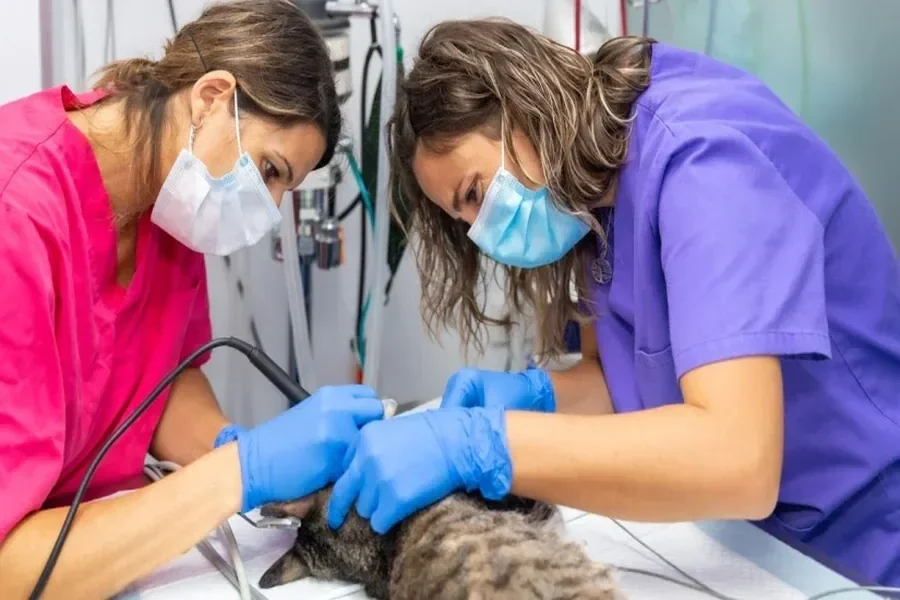
When a crisis hits in an exam room or surgery suite, every second cuts into someone’s hope. You need to know that the team caring for your animal is ready. This blog explains how veterinary hospitals train for those hard moments. You will see how staff practice emergency drills, learn clear roles, and repeat life saving steps until they become muscle memory. You will understand why a calm voice, quick hands, and sharp judgment do not happen by chance. They grow from steady practice, honest feedback, and strict standards. Whether you visit a small rural clinic or a busy veterinarian in Garibaldi Highlands, the same core training can protect your animal. You will learn what questions to ask, what to look for during a visit, and how strong training can turn fear into trust when everything feels at risk.
Why Training For Emergencies Matters
Critical events strike without warning. A blocked airway. Sudden bleeding. A stopped heart. In those moments, staff cannot guess or argue. They must act in a clear order. Training gives them that order.
Veterinary hospitals use emergency training to reach three goals:
- Protect your animal from delay or confusion
- Protect staff from panic and frozen thinking
- Protect you from unclear messages and false hope
Research on human resuscitation shows that repeated practice raises survival odds. Veterinary teams follow the same pattern. They use written plans, drills, and quick reviews after each event. You see a calm team. Under the surface, they follow a script they have practiced many times.
Core Skills Every Staff Member Learns
Strong hospitals do not train only doctors. They train everyone. Receptionists, assistants, technicians, and veterinarians share core skills so they can support each other.
Key skills include three main groups.
- Recognizing early warning signs
- Responding in the first minutes
- Communicating with you during and after the crisis
Early warning training teaches staff to notice small changes. Fast breathing. Pale gums. Sudden weakness. Staff learn to bring these signs to a doctor at once. This simple step can prevent a full crash.
Response training covers CPR, bleeding control, shock treatment, and safe handling. Teams often follow the guidelines from the American College of Veterinary Emergency and Critical Care RECOVER project. You can see a summary of these CPR standards on the National Institutes of Health website. Staff repeat these steps until they can act without looking at a chart.
How Hospitals Use Drills And Simulations
Practice turns knowledge into fast action. Veterinary hospitals use several kinds of drills. Each type builds a different strength in the team.
| Training method | What staff practice | How often many hospitals use it
|
|---|---|---|
| Tabletop talk through | Steps on paper for a sample case | Monthly or during staff meetings |
| Dry run drill | Moving through the clinic without an animal | Every few weeks |
| Mannequin simulation | CPR, airway, and drug practice on models | Several times each year |
| Real case review | What went well and what to change next time | After each critical event |
During drills, staff practice three things at once. They practice where to stand. They practice who speaks. They practice which tool or drug comes next. They also track time out loud. This helps the team avoid long gaps when no one acts.
Clear Roles During A Crisis
In a true emergency, no one should ask who does what. Strong hospitals assign roles before anything happens. Staff then rotate through these roles during training.
Common roles include:
- Team leader who gives short orders and watches the whole room
- Compressor who performs chest compressions without pause
- Breather who manages the airway and oxygen
- Drug nurse who draws up and records each medicine
- Runner who brings tools, contacts labs, and calls for more help
- Owner liaison who stays with you and explains what is happening
This structure comes from lessons in human trauma care. You can see an example of role-based emergency response in the Centers for Disease Control and Prevention guidance for crisis teams. Veterinary hospitals adapt this model so it fits the size of the clinic.
Training On Tools, Drugs, And Checklists
Knowledge alone does not save an animal. Staff must also know where each tool sits and how to use it in the dark. Hospitals often keep a crash cart. This is a stocked rolling cabinet for emergencies.
Training covers three parts.
- Location of every item on the crash cart
- Correct use and dose for each drug and device
- Use of short checklists during CPR
Staff run timed drills to find and prepare common drugs. They also check expiration dates and battery power on a set schedule. Checklists guide the order of steps. These short lists cut down on memory slips when stress is high.
How Staff Learn To Communicate With You
Critical care training includes you. Good teams train on how to speak with families during frightening events. They practice simple, honest words. They avoid long medical terms. They use three clear steps.
- State what is happening right now
- Describe what the team is doing
- Explain the next choice you may need to make
Staff also learn how to prepare you before high-risk surgery or treatment. This can include a short talk about rare but serious problems. When you hear about these risks in advance, you can process news during a crisis with less shock.
Questions You Can Ask Your Veterinary Hospital
You have a right to know how your clinic prepares for emergencies. Simple questions can reveal a lot about their training culture. You can ask three key questions.
- How often do you run emergency drills
- Who is trained in CPR and when was the last refresher
- Do you keep a stocked crash cart and written emergency plans
You can also look around during a visit. You may see CPR charts on the wall. You may see labels on drawers. You might notice staff using closed-loop communication. This means they repeat orders back to confirm them. These small signs show a clinic that takes preparation seriously.
How Training Protects Your Family And Your Animal
Emergency training does more than raise survival odds. It protects your trust. When a team practices often, they can focus on you and your animal. They do not waste time on avoidable confusion. You see clear steps, clear words, and clear care.
You cannot remove all risk from life with animals. You can choose a hospital that respects that risk and trains for it. When you ask about their preparation, you do more than gather facts. You claim a voice in how your animal’s care unfolds when every second cuts into hope.