
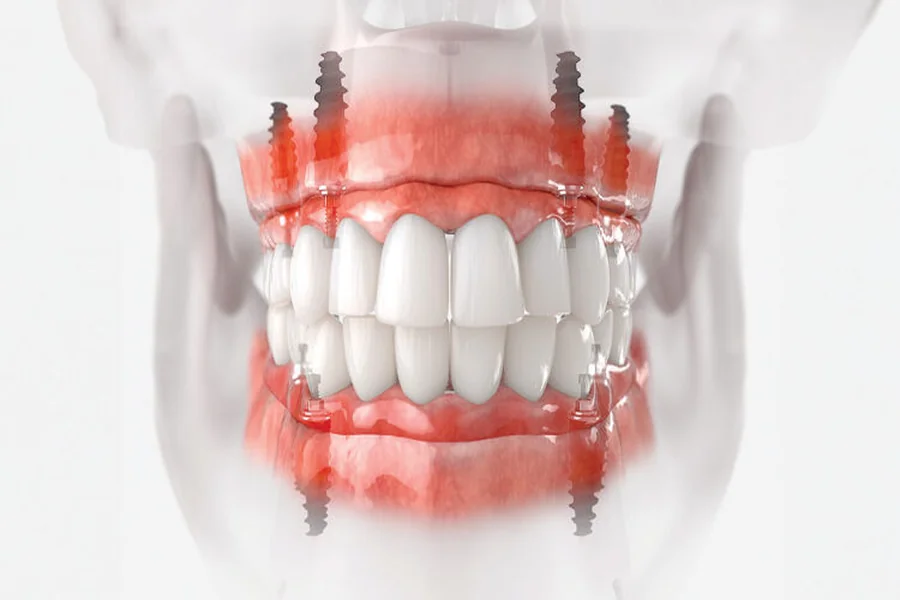
Surgical precision in implant dentistry protects your health, comfort, and trust. Every cut, angle, and placement affects how you breathe, speak, chew, and smile. A small error can damage nerves, weaken bone, or change your bite. That pain does not fade. It lingers. Careful planning and accurate technique reduce those risks. You deserve an implant that feels steady and natural. You also deserve a clear plan that prevents the need for rescue work or a Surprise prosthodontist visit later. Careful surgeons use clear images, measured guides, and steady methods. They respect blood supply, bone quality, and gum shape. They also respect your fear and your questions. Thoughtful precision shortens recovery, limits swelling, and protects nearby teeth. It also helps the implant last. When your surgeon treats each millimeter as a promise, your new tooth becomes more than hardware. It becomes a steady part of your daily life.
Why every fraction of a millimeter matters
A dental implant is a small metal post set in your jaw. Your body accepts it as a new root. Your new tooth then locks onto that post. The post must sit in the right spot in bone, away from nerves, sinuses, and nearby roots. Even a small shift in angle can cause long pain or early failure.
Careful placement helps you:
- Chew on both sides without strain
- Speak without clicks or lisp
- Clean around the implant without struggle
Federal and academic guides show that accurate placement lowers the risk of nerve injury and early loss of the implant.
Planning before the first cut
Precision starts long before surgery. Careful planning uses three steps.
- Clear images. X-rays and 3D scans show bone height, width, and density. They also show nerves and sinuses.
- Simple guides. Printed or milled guides help the surgeon follow the planned angle and depth.
- Shared goals. You and your surgeon agree on what you want to eat, how you want to look, and how many visits you can manage.
Careful planning is not extra. It is the main defense against surprise problems during surgery.
How precision affects your daily life
You feel the results of precise work every day. You may not think about the metal or the screw. You just eat, talk, and smile. Precision supports three basic needs.
- Comfort. A well-placed implant spreads biting force through bone. That prevents sore spots and jaw strain.
- Cleanliness. Correct depth and gum shape make brushing and flossing simple. That lowers the chance of gum infection around the implant.
- Stability. A straight, well-anchored post moves less. That protects the bone and crown above it.
When one of these parts is off, your body tells you. Pain, swelling, or a loose crown are clear signs that precision was missing.
Risks when precision is ignored
No surgery is risk-free. Still, sloppy work raises the odds of harm. Common problems from poor precision include:
- Numb lip or chin from nerve injury
- Sinus openings in the upper jaw
- Bone loss around the implant
- Gum pockets that trap food and germs
- Loose or broken crowns
Many of these problems need more surgery or removal of the implant. That means more time, more cost, and more pain.
Comparison of precise and poor placement
| Factor | Precise implant placement | Poor implant placement
|
|---|---|---|
| Pain after surgery | Mild and short term | Strong and long lasting |
| Chewing strength | Even on both sides | Uneven bite and jaw strain |
| Cleaning around implant | Simple brush and floss | Food traps and hard to reach spots |
| Risk of infection | Low with routine care | High due to pockets and stress |
| Need for repair | Rare and simple | Frequent and complex |
| Expected lifespan | Many years | Short with risk of failure |
Questions to ask your implant surgeon
You have the right to clear answers. Direct questions push the team to show their plan for precision. You can ask:
- What images will you use to plan the implant
- Will you use a guide during surgery
- How will you protect my nerves and sinuses
- How many implants like mine have you placed?
- What problems do you see most often and how do you handle them
Each answer should be simple and steady. If the team avoids your questions, that is a warning sign.
Your role in a precise outcome
Precision does not stop when the last stitch goes in. Your actions matter. You support the work when you:
- Follow food limits during healing
- Do not smoke or vape, since that slows bone healing
- Keep every follow-up visit, even if you feel fine
- Clean as taught around the implant and gums
The Centers for Disease Control and Prevention explains how clean gums protect both natural teeth and implants. Your daily care keeps the surgeon’s precise work safe.
When to seek a second opinion
Trust your sense of your own body. You should seek another opinion if you:
- Have numbness that lasts more than a few days
- Feel sharp pain with light biting pressure
- See gaps between the crown and gums
- Notice the implant or crown moving
A second opinion from a trained implant dentist or prosthodontist can catch problems early. Early action often means smaller repair and less bone loss.
Respect for your body and story
Surgical precision is not only about tools and angles. It is also about respect. Your jaw holds memories of meals, words, and smiles. Each cut changes that story. You deserve a team that treats each step as a promise to protect your body and your trust.
When you choose a surgeon who plans carefully, explains clearly, and treats each millimeter with care, you lower risk and gain peace of mind. You also give your implant the best chance to feel like a natural part of you for many years.