
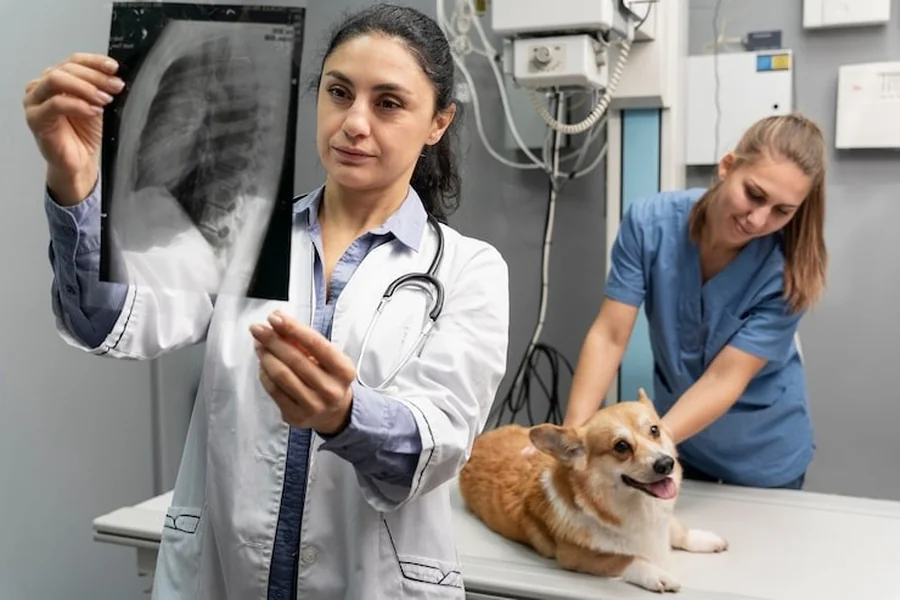
Long-term medication can feel like a burden. You want to help your pet, yet constant refills, changing doses, and new symptoms can drain you. Veterinary hospitals guide you through this strain. They track each prescription. They watch for side effects. They adjust treatment before small problems grow. In this process, your veterinarian in Vestavia Hills becomes a steady partner. Routine checkups are not just quick visits. There are chances to review how your pet eats, moves, and sleeps. Each visit shapes the next step in care. Hospitals also keep records that you may forget. They remind you when tests are due. They explain why one pill matters and another does not. This support lowers stress for you. It also protects your pet fromquitet harm that builds over time.
Why long-term medication needs hospital support
Many pets need long-term medicine for pain, heart disease, seizures, or allergies. You may also see long-term use after surgery or injury. Medication at home can seem simple. You give a pill and watch your pet. Yet the body changes over months and years. Weight shifts. Organs work harder. New health problems start.
Veterinary hospitals follow these changes. They use exams and lab tests to see what you cannot see. Blood work shows how the liver and kidneys handle each drug. Urine tests show early strain. Heart tests show stress long before a crisis. This steady watch lets your care team act early. That prevents sudden emergencies that shock you and your family.
How hospitals track long term medications
Good tracking keeps your pet safe. It also keeps your mind calm. Hospitals use three basic steps.
- They keep a full list of every drug, dose, and start date.
- They use regular visits and tests to check how each drug works.
- They change the plan when results or behavior shift.
You help this work when you share what you see at home. Tell the care team if your pet eats less, sleeps more, drinks more water, or hides. Small changes matter. You may not connect them to a drug. Your care team will.
Routine checkups and lab tests
Routine care keeps long-term medication safe. The U.S. Food and Drug Administration explains that some drugs can strain the liver, kidneys, or gut over time. Your pet may look fine. Yet silent harm can grow for months.
During checkups, your hospital team will often
- Review each drug and refill date
- Check weight, heart rate, breathing, and blood pressure
- Order blood work and urine tests when needed
- Talk through your daily routine with your pet
These visits may feel short. Still, each one adds a layer of safety. When results stay stable, your care team may stretch the time between tests. When results change, they can act fast and prevent a serious event.
Common risks of long term medication
Every drug has risks. Long-term use raises these risks. Some common problems include
- Stomach upset and loss of appetite
- Weight gain or weight loss
- Thirst and frequent urination
- Lethargy or sudden restlessness
- Liver or kidney damage
Many of these problems start quietly. You might see only a mild change. A hospital visit can connect these signs to a drug. Then your care team can lower the dose, change the drug, or add support care.
Shared roles in medication management
Long-term success needs both you and the hospital. Each has clear tasks.
| Role | Your part at home | Veterinary hospital role
|
|---|---|---|
| Daily dosing | Give the right dose at the right time. | Set clear instructions and label each drug. |
| Monitoring | Watch eating, drinking, energy, and mood. | Review signs and compare with past visits. |
| Safety checks | Report new signs as soon as you see them. | Order tests and check for drug side effects. |
| Adjustments | Follow new directions after each visit. | Change drugs or doses when needed. |
| Records | Bring any outside meds or supplements. | Keep full records and test history. |
Handling missed doses and sudden problems
Missed doses happen. You may forget a pill or spill a bottle. Call your hospital before you double up. Some drugs allow a late dose. Some do not. Quick guidance can prevent harm.
Sudden signs need fast action. Contact your hospital at once if you see
- Collapse or seizure
- Bloody stool or vomit
- Refusal to eat for more than one day
- Struggle to breathe
- Yellow eyes or gums
These signs can point to drug reactions or organ failure. Early care can save your pet and shorten recovery.
Costs, planning, and long-term support
Long-term medication can strain your budget. A clear plan reduces surprise. Ask your hospital for
- A list of expected drugs and monthly costs
- A schedule for routine tests and their costs
- Options for written prescriptions when safe
Some clinics offer wellness plans for chronic disease. Other space tests to match risk. The Ohio State University Veterinary Medical Center explains how hospital pharmacies work to balance cost and safety. You can use this type of guidance to plan for your own pet.
Building a lasting partnership
Long-term medication is not a one-time choice. It is an ongoing partnership. You bring daily care, close attention, and love. Your veterinary hospital brings medical skill, lab support, and careful records.
Together you can
- Catch problems early
- Adjust treatment as your pet ages
- Protect comfort and function for as long as possible
Long-term medication may feel heavy at first. With steady support from your hospital and your own close watch, it becomes a clear path. That path protects your pet and gives your family more shared time that feels calm and secure.